
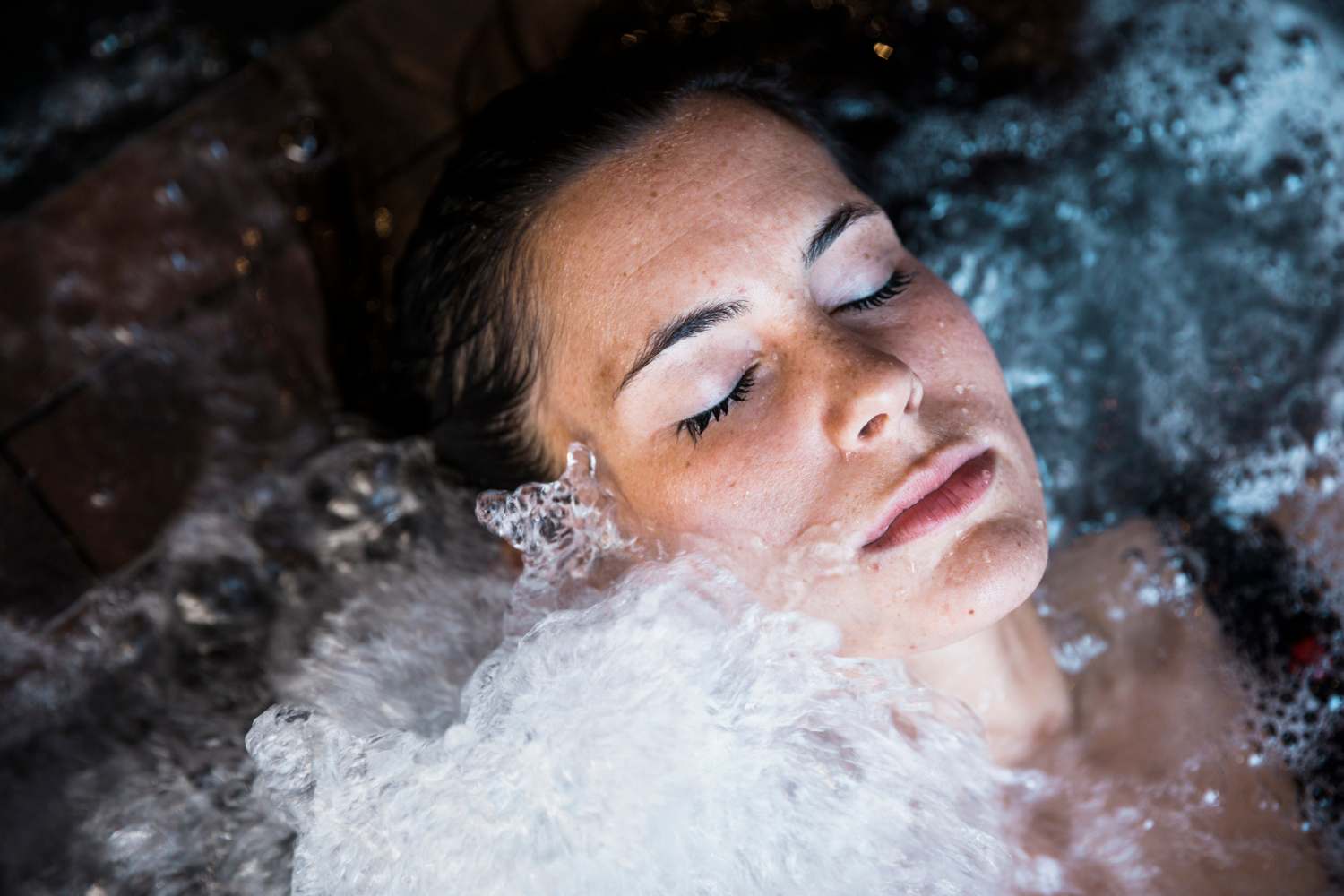
Cold plunge therapy involves immersing the body in cold water to support muscle recovery, reduce inflammation, and improve overall circulation. This form of cold therapy has become popular for its physical and mental benefits, especially among those looking to enhance recovery and performance.
Quick Decision Summary
- A cold plunge exposes the body to cold water for short periods
- It supports muscle recovery by reducing inflammation and soreness
- Cold therapy can improve circulation and alertness
- Sessions are typically brief and controlled
- Consistent use may enhance recovery and overall wellness
What Is a Cold Plunge?
A cold plunge is a type of cold therapy where the body is immersed in cold water, typically ranging from 50°F to 59°F. The exposure is short, usually lasting a few minutes, but it triggers a strong physiological response.
This practice has roots in traditional wellness routines and is now widely used in modern recovery programs. Whether used after workouts or as part of a wellness routine, the goal is to help the body recover more efficiently.
How Cold Plunge Therapy Works
When your body is exposed to cold water, it reacts quickly to maintain its core temperature.
The process includes:
- Blood vessels constrict, reducing inflammation
- Circulation improves as the body warms back up
- Muscle tissue experiences reduced swelling
- The nervous system becomes more alert
These responses work together to support muscle recovery and overall physical performance.
Benefits of Cold Plunge Therapy
1. Supports Muscle Recovery
One of the most well-known benefits of a cold plunge is its ability to aid muscle recovery.
After intense physical activity, muscles can become inflamed and sore. Cold exposure helps reduce this inflammation, allowing the body to recover more efficiently.
2. Reduces Inflammation
Inflammation is a natural response to stress and activity, but excessive inflammation can slow recovery.
Cold therapy helps regulate this response by constricting blood vessels and limiting swelling in affected areas.
3. Improves Circulation
During a cold plunge, blood flow is redirected to protect vital organs. Once the body warms up, circulation increases.
This improved blood flow helps deliver oxygen and nutrients throughout the body, supporting recovery and overall health.
4. Enhances Mental Clarity
Cold exposure stimulates the nervous system, which can lead to increased alertness and focus.
Many people report feeling more energized and mentally refreshed after a cold plunge session.
5. Builds Resilience Over Time
Regular exposure to cold conditions can help the body adapt, improving tolerance and recovery responses.
Over time, this can contribute to better performance and overall wellness.
How Long Should a Cold Plunge Last?
Cold plunge sessions are typically short.
General guidelines:
- Beginners: 1 to 2 minutes
- Intermediate: 2 to 4 minutes
- Experienced: Up to 5 minutes
It is important to start gradually and allow the body to adjust to cold therapy safely.
When Should You Use a Cold Plunge?
A cold plunge can be used in different situations depending on your goals.
Common times include:
- After workouts to support muscle recovery
- During recovery days
- As part of a wellness routine
- Following heat exposure, such as a sauna
Timing can influence the results, so it is helpful to use cold therapy strategically.
Cold Plunge vs Other Recovery Methods
| Method | Primary Benefit | Best Use Case |
| Cold Plunge | Reduces inflammation and supports muscle recovery | Post-workout recovery |
| Stretching | Improves flexibility | Daily mobility |
| Massage | Relieves tension | Muscle tightness |
| Heat Therapy | Relaxes muscles and improves circulation | Pre-workout or relaxation |
Safety Tips for Cold Therapy
Cold plunge therapy is generally safe when done properly.
Keep these tips in mind:
- Avoid staying in too long
- Listen to your body
- Enter and exit slowly
- Stay consistent rather than overdoing it
- Consult a professional if you have underlying conditions
Taking a balanced approach ensures you get the benefits of cold therapy without unnecessary risk.
A Simple but Effective Recovery Tool
Cold plunge therapy offers a straightforward way to support recovery, improve circulation, and enhance overall wellness. By using controlled exposure to cold water, the body can recover more efficiently and adapt over time.
Whether used occasionally or as part of a regular routine, cold therapy provides a practical approach to improving muscle recovery and maintaining performance.
At Black House, recovery is approached with intention and balance. Cold plunge therapy is integrated into a broader wellness experience designed to support both physical recovery and mental clarity.
With a focus on comfort, consistency, and proper guidance, Black House provides an environment where clients can safely experience the benefits of a cold plunge as part of their overall routine.
Frequently Asked Questions
Is a cold plunge safe for beginners?
Yes, beginners can start with shorter sessions and gradually increase exposure as they become more comfortable.
Can cold therapy help with soreness?
Yes, cold therapy is commonly used to reduce soreness and support muscle recovery after physical activity.
How often should I do a cold plunge?
Frequency depends on your goals, but many people incorporate it several times per week.
Can I do a cold plunge every day?
Daily use is possible for some individuals, but it is important to monitor how your body responds.
Should I combine cold plunge with other therapies?
Yes, combining a cold plunge with other recovery methods can provide more balanced results.